
Web Design vs
Web Development

By Muhammad Ⅰ | Founder Of Creasions

Understanding the Difference and Why Both Matter

Web design and web development are often grouped together, but they serve different roles in building a successful website. Understanding the distinction helps businesses make better decisions when planning a new website or redesign.

This guide explains the difference between web design and web development, how they work together, and why both are essential for long-term performance.

Request a Strategy Call

Image
Down Layer
Image

What Is Web Design?

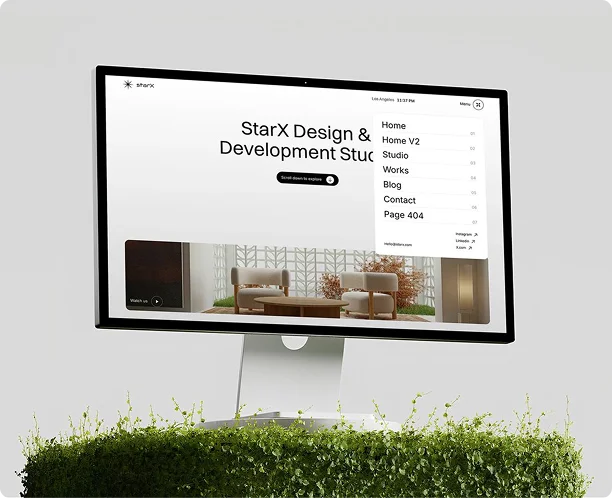
Web design focuses on how a website looks, feels, and communicates. It involves planning layout, structure, navigation, and visual hierarchy to ensure visitors can easily understand and interact with the site.

Web design typically includes:

  • Page layout and structure
  • User experience (UX) considerations
  • Navigation and information hierarchy
  • Visual consistency and readability
  • Conversion-focused design decisions

Businesses looking for web design services in Dallas often benefit from design that balances aesthetics with usability and clarity.

What Is Web Development?

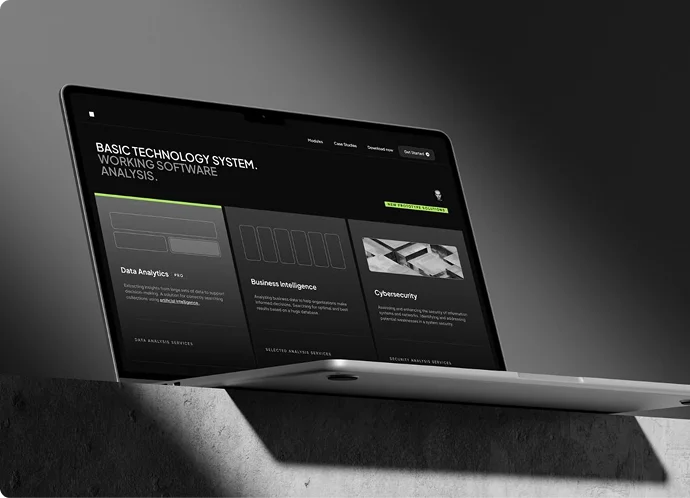
Web development focuses on how a website functions behind the scenes. It involves building the technical structure that supports design, performance, and scalability.

Web development typically includes:

  • Writing clean, structured code
  • Implementing responsive behavior
  • Configuring content management systems
  • Optimizing performance and load speed
  • Ensuring technical SEO foundations

Businesses seeking website development services in Dallas rely on development to ensure reliability and long-term flexibility.

Image
Down Layer
Image

How Web Design and Development Work Together

Web design and web development are most effective when planned together. Design decisions influence technical implementation, and development constraints inform design choices.

When both disciplines align from the start, the result is a website that is:

  • Easy to navigate
  • Fast and reliable
  • Structured for search visibility
  • Scalable as the business grows

This integrated approach reduces rework and improves overall website performance.

Why the Difference Matters for SEO and Performance

Search engines evaluate both structure and technical implementation. A website with strong design but weak development may struggle with performance, while a technically sound site with poor design may fail to engage users.

Understanding how web design and development work together helps ensure that websites are built with SEO, usability, and conversion in mind from the beginning.

Image

When to Involve Both Design and Development

Projects benefit most when design and development considerations are addressed together early in the planning phase. This reduces friction, avoids technical limitations, and supports long-term scalability.

If you’re planning a new website or redesign, starting with a strategy discussion helps clarify what balance makes sense.

You can call us to discuss how design and development should work together for your business.

Request a Strategy Call
Choosing the Right Business

Choosing the Right Mix for Your Business

Different businesses require different levels of design and development effort. The right approach depends on goals, complexity, and growth plans.

If you’re deciding between platforms or approaches, you may find it helpful to review WordPress vs Webflow vs custom websites before making a decision.

FAQS

Frequently Asked Questions

The simplest way to think about it is this web design determines how a website looks and how users experience it, while web development determines how it works. Web design covers layout, visual hierarchy, color, typography, and user flow. Web development covers the code, server configuration, database management, and technical infrastructure that powers everything behind the scenes. Both disciplines are essential to a successful website, and the best outcomes occur when design and development are planned together from the start rather than treated as separate, sequential phases.

In most professional website projects, yes both design and development expertise are required to produce a high-performing result. Some individuals have skills across both disciplines, but most specialists focus on one or the other. Working with a full-service agency that handles both web design and web development under one roof is often the most efficient approach for businesses. It eliminates handoff friction, ensures design decisions are grounded in technical reality, and results in a website that is both visually strong and technically sound from launch.

Web design has a meaningful impact on SEO, particularly in areas that affect user experience and content clarity. Page layout, navigation structure, content hierarchy, internal linking, mobile responsiveness, and page load speed are all influenced by design decisions and all are evaluated by search engines. A poorly structured design can make it difficult for search engines to crawl and index your content effectively, even if the development is technically sound. This is why SEO considerations should be factored into the design process from the beginning, not added as an afterthought after the website is built.

To a limited extent, strong development can improve performance-related issues on a poorly designed site such as load speed or technical structure but it cannot fix fundamental design problems that affect usability and conversion. If a website has confusing navigation, unclear messaging, or a layout that fails to guide visitors toward taking action, no amount of technical optimization will fully address those shortcomings. Similarly, exceptional design on a technically weak website will struggle with speed, reliability, and scalability. The two disciplines are interdependent; genuine quality requires both working together from the outset.

Rather than prioritizing one over the other, a more effective approach with a limited budget is to define the minimum requirements for both and scale scope accordingly. A website that is visually polished but technically fragile will create problems as your business grows. Equally, a technically robust website that fails to communicate clearly or guide users will underperform regardless of its underlying quality. When budget is a constraint, work with an agency that can help you identify which design and development elements are essential for your goals now, and which can be added in a future phase as your business scales.