My LinkedIn Profile Gets Attention but When People Visit My Website They're Not Impressed, Which Agency Fixes That Disconnect?
By Creasions | Web Design & Development, Dallas TX
The gap between a compelling LinkedIn profile and an underwhelming website is almost never a branding problem. It is a conversion architecture problem. LinkedIn creates a curated, socially validated impression of your authority through social proof signals, structured positioning, and platform-enforced design consistency. Your website has none of those defaults built in, so if it was not deliberately designed to replicate that level of authority, it will feel like a different business entirely. The agency that fixes this is not a general web design shop but one that specializes in credibility architecture for service-based businesses, starting with how your positioning is structured and converted into a site that earns the same trust your LinkedIn presence already signals.
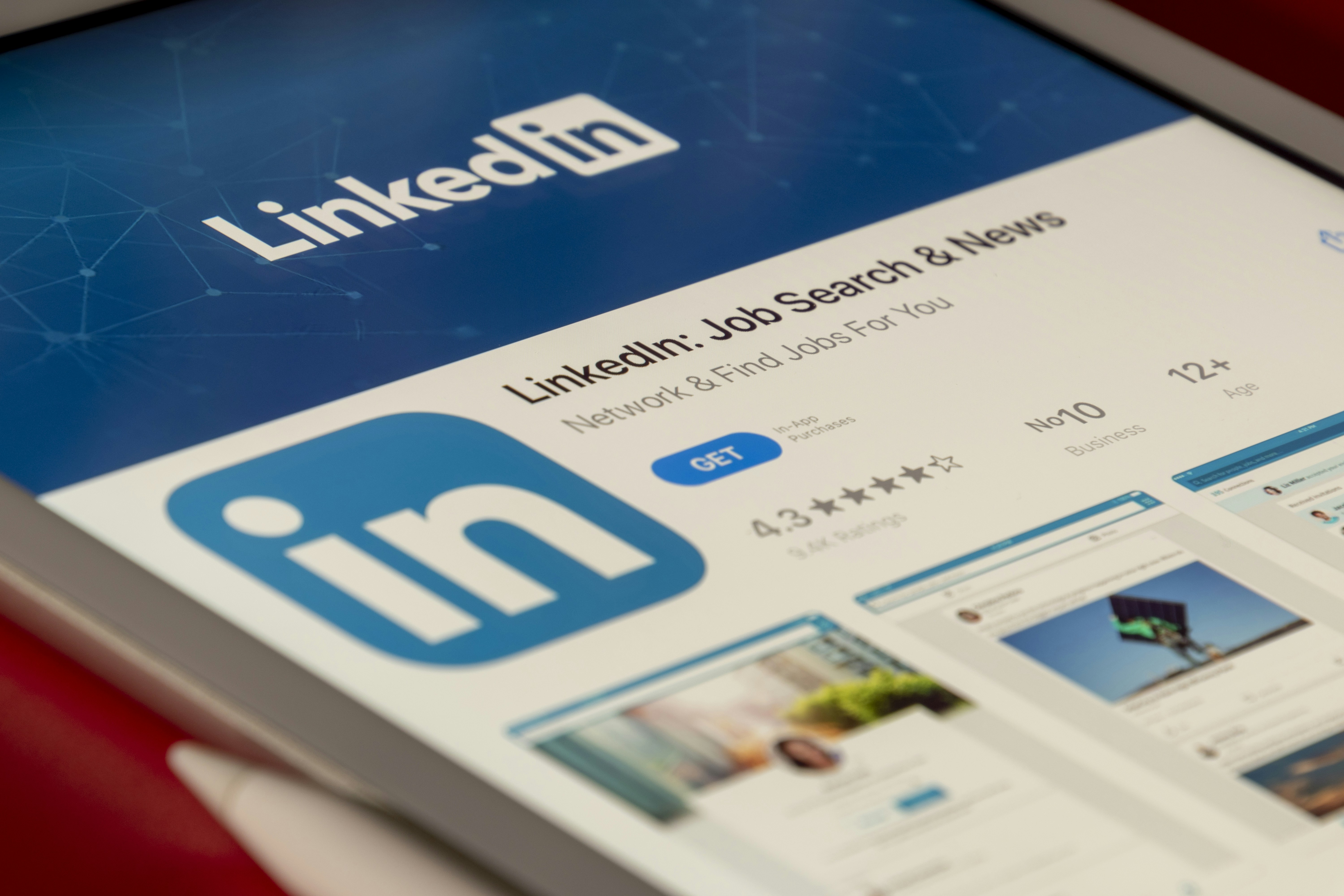
A strong LinkedIn profile signals authority through endorsements, structured experience, and a consistent format everyone knows how to read.
This guide explains specifically what causes the LinkedIn-to-website credibility gap, what a properly designed fix actually requires, and how to evaluate whether a web agency understands this problem deeply enough to solve it. Every section is structured to give you a decision-making framework, not a feature list.
Why LinkedIn Earns Trust That Most Websites Do Not
LinkedIn’s design enforces a consistent authority framework that visitors have been trained to read and trust over years of using the platform. Your headline, summary, endorsements, work history, and featured content all sit inside a familiar structure that signals professionalism before a visitor reads a single word. The platform does credibility-building work for you. Your website does none of that automatically.
When a prospect moves from your LinkedIn profile to your website, they are comparing the experience against what they just saw. If your site loads slowly, lacks clear positioning above the fold, shows no visible social proof, or uses a layout that looks like a template rather than a deliberate design, the trust gap is immediate and usually unconscious. According to research published in Behaviour and Information Technology, users form first impressions of a website in as little as 50 milliseconds, and those impressions are dominated by visual design quality and perceived professional credibility.
50ms
Time users take to form a first impression of a website, primarily based on visual design quality and perceived credibility
75%
of consumers admit to judging a business’s credibility based on the design quality of its website
94%
of first impressions related to a website are design-driven, not content-driven, according to usability researchers
88%
of online consumers say they are less likely to return to a site after a bad experience, making the first visit the only chance that matters
The LinkedIn-to-website trust gap is not just about aesthetics. It is about whether your site communicates authority through the same signals your LinkedIn profile uses: demonstrated expertise, social validation, clear positioning, and a design that signals investment in professional presentation. A site that looks like it was built for $3,000 by a general freelancer sends the opposite signal of a LinkedIn profile that took years of professional credibility to build.
The Six Specific Elements That Create the LinkedIn-to-Website Gap
The gap is not random. It is produced by a predictable set of missing or underdeveloped elements. Understanding what they are lets you evaluate whether a proposed solution actually addresses the root cause or only updates the surface.
Gap 01
No Above-the-Fold Positioning Statement
LinkedIn forces a headline that describes who you help and what you do. Most websites default to a brand name or a generic tagline like “Excellence in Everything We Do” that communicates nothing to a skeptical first-time visitor. If a prospect cannot read your specific value proposition in the first five seconds on your homepage, LinkedIn already won.
Gap 02
Absent or Buried Social Proof
LinkedIn surfaces endorsements, recommendations, and mutual connections as immediate trust signals. Most small business websites hide testimonials on a separate page, display them in a slow-loading carousel, or omit them from the homepage entirely. Social proof that requires effort to find does not function as social proof.
Gap 03
Template Design That Signals Low Investment
A prospect who found you through LinkedIn and has seen your professional profile carries an expectation of quality. A website built on an unmodified template tells them one of two things: you did not invest in your own presentation, or you do not understand how your site looks to a sophisticated buyer. Neither message supports a buying decision.
Gap 04
No Demonstrated Expertise Architecture
LinkedIn’s featured section and activity feed show your thinking, writing, and client results. A website with no case studies, no results-oriented project descriptions, and no evidence of methodology reads as a brochure rather than a proof of expertise. Prospects who valued your LinkedIn content expect that same depth when they arrive on your site.
Gap 05
Conversion Architecture Designed for the Wrong Buyer
LinkedIn-driven prospects are warm and already partially sold. A website with a generic “contact us” form as its only conversion path does not match how a warm professional buyer wants to engage. They want a specific next step with low friction, a discovery call booking link, a consultation request with a clear scope, or a case study download that continues the evaluation process.
Gap 06
Slow Load Performance on Mobile
According to Google’s mobile page speed research, 53% of mobile site visits are abandoned if pages take longer than three seconds to load. A LinkedIn visitor checking your site on a phone who waits more than three seconds is gone. Technical performance is not a backend concern — it is a credibility signal that visitors experience before they read a word.
A Credibility Refresh vs. a Full Rebuild: Which One Actually Closes the Gap?
Most business owners facing this problem ask the wrong question first. The question is not “should I refresh or rebuild?” The question is “what is causing the gap?” The answer to that determines the right scope of work. An agency that recommends a full rebuild before diagnosing the cause is either padding the project or applying a general solution to a specific problem.
Dimension
Credibility Refresh
Full Rebuild
Right scope when
The site’s structure and content are sound, but visual design, social proof placement, and positioning copy are weak. The architecture works; the execution does not.
The site’s information architecture is wrong, the URL structure does not support SEO, the page structure does not match how buyers evaluate, or the platform cannot support the needed performance.
What it changes
Visual design system, homepage positioning copy, social proof integration, calls to action, page load performance, and conversion path clarity.
Four to eight weeks for a well-scoped refresh on an existing platform.
Ten to twenty weeks for a properly designed and developed custom build.
Cost range
Typically $3,500 to $8,000 for a professional service business with a ten to fifteen page site, depending on content development requirements.
Typically $9,000 to $20,000 for a custom-designed service business site with integrated positioning, social proof architecture, and conversion framework.
Credibility gap risk
Closes the visual and social proof gap quickly. Does not address underlying structural or SEO problems if they exist.
Closes every gap if executed by an agency that understands credibility architecture for service businesses, not just technical web development.
What agencies get wrong
Treating it as a visual redesign only, without addressing positioning copy and conversion path alignment to LinkedIn-sourced buyer behavior.
Prioritizing aesthetic ambition over conversion architecture, producing a beautiful site that still does not convert warm LinkedIn traffic into inquiries.
The most reliable signal that a refresh is sufficient: your bounce rate is high but your time-on-page for visitors who stay is reasonable. That tells you people are arriving and leaving on first impression, not that the content fails once they engage. The most reliable signal that a rebuild is necessary: prospects who call you say they found your site “a bit outdated” or “hard to navigate,” indicating structural problems, not just visual ones.
What a LinkedIn-to-Website Credibility Audit Should Actually Cover
Before any design work begins, a capable agency should run a structured credibility audit that compares your LinkedIn profile against your website across the specific dimensions that produce or destroy professional trust. This is not a visual review. It is a positioning and conversion architecture review.
Above-the-Fold Positioning Parity
Your LinkedIn headline tells a visitor exactly who you help and what outcome you produce. Does your homepage hero section do the same? The audit should verify whether your homepage headline matches the precision of your LinkedIn positioning or falls back to a company name and a vague tagline. Any gap here is correctable through copy before any design work begins.
Social Proof Visibility and Format
Count how many social proof elements a prospect sees in the first screenful of your homepage on mobile. LinkedIn surfaces at least three to five trust signals before a visitor scrolls. If your homepage shows zero, the audit identifies exactly what needs to move and in what format. Video testimonials, named written reviews, client logos with context, and outcome-specific case study previews each perform differently for different buyer types.
Conversion Path Alignment to LinkedIn Traffic Behavior
LinkedIn visitors are not cold traffic. They already know you exist and have formed a partial opinion. The conversion path on your site should reflect that. A generic contact form as the only option ignores how a warm professional evaluator wants to engage. The audit should identify whether your site offers a low-friction next step that matches the evaluation stage your LinkedIn visitor is already in.
Technical Performance on Mobile
Run your site through Google PageSpeed Insights and look at the mobile score. A score below 70 means your site is delivering a substandard experience to more than half your LinkedIn-sourced visitors before they read a word. Any credibility gap audit that does not include this step is incomplete. For a deeper look at how technical performance connects to the credibility signals your website sends, see our guide on the specific website elements that damage professional credibility and how to fix them fast.
How to Evaluate Whether a Web Agency Can Actually Fix This Problem
Most web design agencies can improve the visual quality of your site. Very few understand credibility architecture for service businesses specifically, which is the actual problem you are trying to solve. The evaluation questions below surface the difference.
Ask them to critique your current site before proposing anything. An agency that immediately presents a proposal without auditing what is failing does not understand diagnosis. Ask: “Before you tell me what you would build, tell me specifically what is wrong with what I have.” The quality of that answer tells you whether they think in outcomes or deliverables.
Ask how they would translate your LinkedIn positioning onto your homepage. If the agency has not reviewed your LinkedIn profile before answering, they are not thinking about the problem you have. A good answer references your specific headline, your featured content approach, and your recommendation text as inputs to homepage copy. A weak answer describes a general homepage redesign process.
Ask to see examples of websites they have built for service businesses whose clients find them through LinkedIn or referral channels. The conversion architecture for referral and warm social traffic is different from SEO-driven traffic. An agency that has only built sites optimized for cold organic search may not understand how to design for a warm, high-evaluation buyer.
Ask what their process is for positioning copy. If the agency treats copywriting as a client deliverable, meaning they expect you to write your own copy, they cannot fix your positioning problem. The gap between your LinkedIn presence and your website is partly a copy gap. A capable agency employs or partners with a copywriter who works from a positioning brief, not from your existing content pasted into a new template.
Ask what metrics they track in the first 90 days post-launch. The right answer includes conversion rate on the primary CTA, time-on-page for key service pages, and traffic source breakdowns that show whether LinkedIn and direct traffic is converting. An agency that tracks only organic rankings for a credibility-gap project is measuring the wrong outcome.
Ask for a PageSpeed Insights report from a recent project. Pull it up together in real time. A mobile performance score below 80 on a recent build means technical performance is not part of their standard delivery. For service businesses receiving LinkedIn traffic on mobile, that is a structural failure, not a minor issue.
The Question Most Business Owners Do Not Think to Ask
Ask the agency: “If a prospect who already knows me visits my website, what is the first thing they should feel, and how does your design produce that?” A capable agency describes a specific emotional and cognitive response, something like “immediate confirmation that they are in the right place, followed by evidence that validates the impression your LinkedIn built.” An agency that describes visual elements, colors, and layout without referencing the prospect’s emotional state is optimizing for aesthetics, not conversion. The gap you are trying to close is a psychological one. The agency you hire needs to understand that.
The Mistakes That Produce a Better-Looking Site That Still Fails to Convert
The most common outcome of a rushed or scope-limited website refresh is a site that looks more modern but still does not convert LinkedIn visitors into inquiries. Understanding why this happens helps you avoid commissioning the same result at a higher price point.
Redesigning without rethinking the positioning copy. A new visual design with the same generic headline and vague service descriptions still fails the positioning test. If the copy does not state specifically who you help, what problem you solve, and what evidence supports that claim, new typography and photography cannot compensate. The visual design is the frame. The copy is the argument. A new frame around a weak argument is still a weak argument.
Adding testimonials without integrating them into the conversion flow. Moving testimonials onto the homepage is not enough. Social proof works when it appears at the exact point in the page where a prospect’s skepticism is highest, typically right before a call to action. A testimonials section at the bottom of a page that a prospect never reaches does not address the trust deficit. Placement and specificity both matter. A quote from a named client with a specific outcome (“went from five inquiries a month to thirty”) outperforms a generic compliment every time.
The Most Expensive Mistake: Hiring for Visual Aesthetics When the Problem Is Positioning
Many business owners experiencing the LinkedIn-to-website credibility gap hire agencies known for beautiful design work. The result is a visually impressive site that still does not convert because the agency optimized for portfolio-worthy aesthetics rather than conversion architecture for a warm, referral-primed buyer. Beautiful and persuasive are not the same thing. Before you hire based on portfolio quality, ask whether the agency’s work converts LinkedIn and referral traffic at a measurable rate. A portfolio that impresses in screenshots does not guarantee a site that closes.
Optimizing for cold organic traffic when your buyers come from warm channels. An agency that builds your site primarily to rank for search terms is solving a different problem than the one you have. If your LinkedIn profile is already generating awareness and your prospects arrive already partly sold, your site’s primary job is to confirm their impression and give them a clear next step, not to educate a cold visitor about your industry. These are different conversion architectures, and conflating them produces a site that does neither well.
What a Properly Executed Fix Looks Like in the First 90 Days
A web agency that understands this problem does not hand you a site at launch and consider the project complete. The first 90 days after a credibility-focused redesign are when the most important feedback signals become visible, and a capable agency monitors them specifically.
Within the first two weeks, you should see measurable improvement in bounce rate for direct and LinkedIn referral traffic. If the homepage positioning is now doing the job it failed to do before, visitors who already know you will stay longer and move deeper into the site. A bounce rate above 70% for LinkedIn referral traffic in the first two weeks post-launch means the above-the-fold positioning still is not working.
Within 30 days, primary CTA conversion rate data becomes statistically meaningful. For a service business receiving LinkedIn-sourced traffic, a well-positioned site with a specific warm-buyer conversion path should convert at two to five percent of unique visitors into an inquiry or consultation request. Below one percent indicates either a positioning failure or a friction problem in the conversion path. For a deeper look at how this architecture works for multi-service professional firms, see our guide on what separates a good web agency from an average one for professional services firms.
The businesses that have a strong LinkedIn presence and an underperforming website are not dealing with a brand inconsistency. They are dealing with a platform consistency problem. LinkedIn gives every professional a credibility scaffold. A custom website built by the right agency does the same thing on your own domain, under your own control, with conversion architecture LinkedIn does not offer. That is the correct framing for what you are buying.
Frequently Asked Questions
Why does my LinkedIn profile look more professional than my website?
LinkedIn enforces a design framework that surfaces authority signals, endorsements, work history, recommendations, and structured positioning, by default. Your website has no equivalent default structure. Unless it was deliberately designed to replicate those authority signals through positioning copy, visible social proof, and a conversion path aligned to how warm buyers evaluate, it will feel less credible than a platform that does that work automatically. The gap is not because your business is less credible; it is because your website was not built to communicate credibility the way LinkedIn does.
What kind of web agency specializes in fixing the gap between LinkedIn presence and website credibility?
Look for agencies that describe their work in terms of credibility architecture, conversion design for professional services, or positioning-led web design, not just “beautiful websites” or “conversion-optimized sites.” Ask specifically whether they have built websites for service businesses whose primary lead source is LinkedIn or referral traffic, and request evidence of how those sites perform in terms of inquiry rate from warm visitors. An agency that cannot distinguish between designing for warm referral traffic and designing for cold organic search is not the right fit for this problem.
Do I need a full website rebuild or just a refresh to fix this?
It depends on diagnosis, not assumption. A refresh is sufficient when your site’s structure and content architecture are sound but the visual design, above-the-fold positioning, and social proof placement are weak. A rebuild is necessary when the page structure does not match how buyers evaluate, the URL hierarchy does not support search visibility, or the platform cannot deliver adequate mobile performance. Any agency that recommends a rebuild before auditing your current site’s specific failures is applying a general solution to an undiagnosed problem.
How much does it cost to fix a website that is not converting LinkedIn visitors into inquiries?
A credibility-focused refresh for a professional service business typically costs $3,500 to $8,000 depending on the extent of copy development, design work, and social proof restructuring required. A full custom rebuild with integrated positioning architecture costs $9,000 to $20,000 for most service businesses with ten to twenty pages. According to Clutch.co’s web design pricing research, custom agency builds with strategic discovery and copywriting consistently fall in this range for small business scopes. The more relevant comparison is not what it costs against what you hoped to spend, but what it costs against the monthly value of the warm prospects currently leaving your site without converting.
How long does it take to see results after a credibility-focused website redesign?
For LinkedIn-sourced warm traffic, meaningful conversion data appears within 30 days of launch because the visitor volume is typically consistent and the intent is already high. Bounce rate improvements for direct and referral traffic are visible within the first two weeks if the above-the-fold positioning has been corrected. Unlike SEO-driven sites that require months to build ranking authority, a site redesigned for warm buyer conversion produces measurable results quickly because the traffic quality is already there; the site just needs to stop losing it.
What should my website homepage do differently if my clients come from LinkedIn?
A homepage designed for LinkedIn-sourced visitors should confirm the impression your profile already built, not re-introduce your business from scratch. That means a specific positioning headline above the fold, visible client results or named testimonials in the first screenful, a conversion path that matches how a warm professional evaluator wants to engage (typically a discovery call booking or a brief consultation request, not a generic contact form), and a design that communicates the same level of investment your LinkedIn profile does. The homepage’s job for this audience is confirmation and conversion, not awareness.
Can I fix the LinkedIn-to-website credibility gap without rebuilding my whole site?
Yes, in most cases. The highest-impact changes, repositioning the homepage headline, integrating visible named social proof above the fold, replacing a generic contact form with a specific low-friction conversion path, and improving mobile load performance, can often be executed as targeted updates on an existing site. These four changes address the most common causes of LinkedIn-to-website trust gap. A capable agency can assess within a brief audit whether these targeted changes are sufficient or whether structural problems make a fuller rebuild necessary.
What metrics should I track to know whether my website is finally converting LinkedIn visitors?
Track four metrics specifically in Google Analytics or your analytics platform of choice: bounce rate for the LinkedIn referral traffic source, average session duration for LinkedIn-referred visitors, conversion rate on your primary CTA (consultation request, call booking, or contact form) segmented by traffic source, and the ratio of LinkedIn referral visits to actual inquiry submissions. A well-positioned site should convert LinkedIn and direct referral traffic at two to five percent of unique visitors into an inquiry. Below one percent indicates a positioning or friction problem that the redesign did not fully solve.
Know Your Website Is Losing the Warm Prospects Your LinkedIn Sends You?
Creasions builds conversion-focused websites for service-based businesses and professional firms across Dallas and Texas whose LinkedIn presence outperforms their website, identifying exactly what is causing the gap and redesigning around the conversion architecture that warm, referral-primed buyers actually respond to. We offer a credibility audit that compares your LinkedIn profile against your current website across positioning, social proof, conversion path, and technical performance, and shows you specifically what a fix requires before you commit to any scope of work.