
WordPress vs
Webflow vs Custom

How to Choose the Right Website Platform for Your Business

Choosing the right website platform is one of the most important decisions in a website project. The platform you choose affects how easy your site is to manage, how it scales, and how well it supports long-term business goals.

This guide breaks down the differences between WordPress, Webflow, and custom-built websites to help businesses understand which option makes the most sense for their needs.

Request a Strategy Call

Image
Down Layer
Image

Understanding the Main Website Platform Options

Most business websites fall into one of three categories: content management systems like WordPress, visual-first platforms like Webflow, or fully custom-built solutions. Each option has strengths and limitations depending on complexity, control, and growth plans.

WordPress Websites

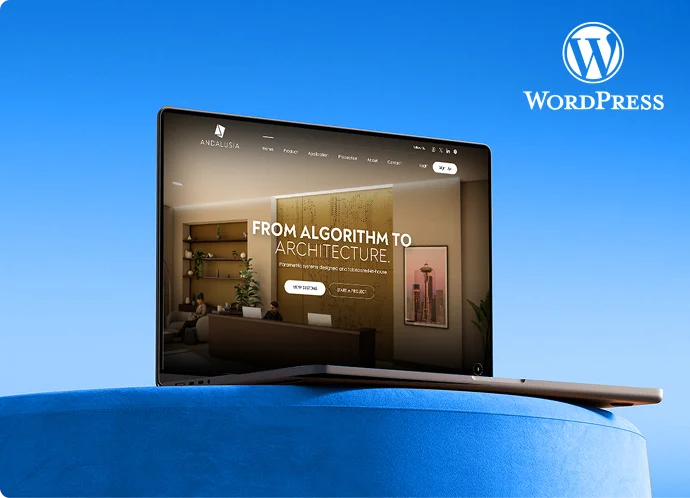
WordPress is one of the most widely used website platforms because of its flexibility and extensive ecosystem. It allows businesses to manage content easily while remaining highly customizable.

WordPress is often a good choice if you need:

  • Full ownership of your website and data
  • Easy content updates without technical dependency
  • Scalability as content and features grow
  • Integration with marketing, analytics, and SEO tools

Businesses considering WordPress web design in Dallas often value flexibility and long-term control.

Image
Down Layer
Image

Webflow Websites

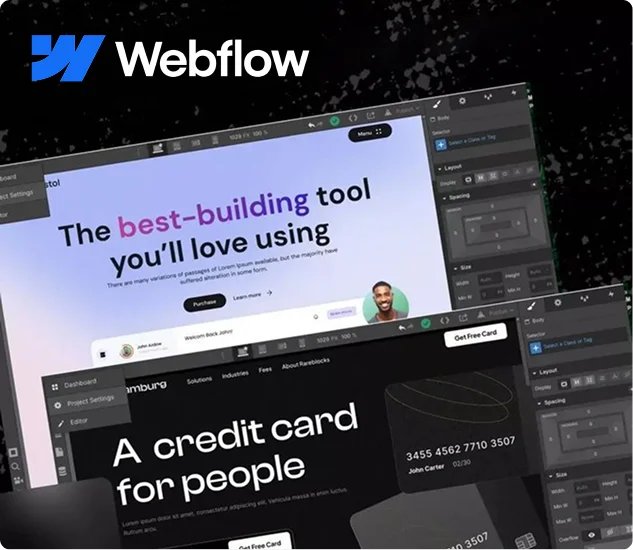
Webflow is a visual-first platform that allows designers to create visually precise layouts with less reliance on traditional coding. It can be effective for design-driven projects with relatively simple functionality.

Webflow may be suitable if you need:

  • Highly controlled visual layouts
  • Minimal backend complexity
  • Smaller-scale content management needs

However, businesses should consider long-term scalability and ownership when choosing Webflow.

Custom-Built Websites

Custom websites are built specifically for a business’s requirements, without relying on a predefined platform. This approach offers maximum flexibility but typically requires greater investment & ongoing technical support.

Custom websites are often appropriate when:

  • Complex integrations are required
  • Unique functionality is essential
  • Long-term scalability is a priority

Custom development is usually paired with strong website development services to ensure reliability and performance.

Image

How to Decide Which Platform Is Right for You

The best way to choose a platform is to define requirements first and select technology second. This approach reduces rework and ensures your website can grow with your business.

If you’d like help evaluating options, you can call us to discuss which platform aligns with your goals.

Request a Strategy Call
Image

Comparing Platforms Based on Business Needs

There is no universally “best” platform. The right choice depends on how your business plans to use the website over time.

Key considerations include:

  • Content management needs
  • Integration requirements
  • Budget and timeline
  • Long-term scalability
  • Ownership and control

Businesses unsure which option fits best may benefit from starting with web design services in Dallas to clarify requirements before committing to a platform.

SEO and Long-Term Considerations

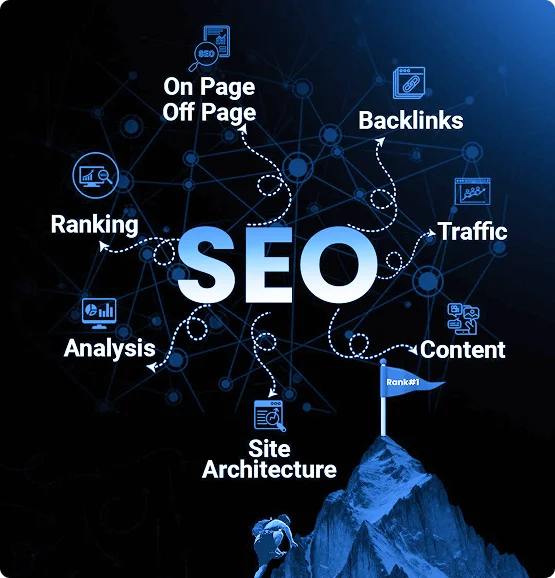
SEO performance is influenced by how a platform handles structure, performance, and technical configuration. While all three options can support SEO, implementation quality matters more than platform choice alone.

Understanding how web design and development work together helps ensure the platform supports discoverability and growth.

Image